Death is a status condition in Dungeons and Dragons.

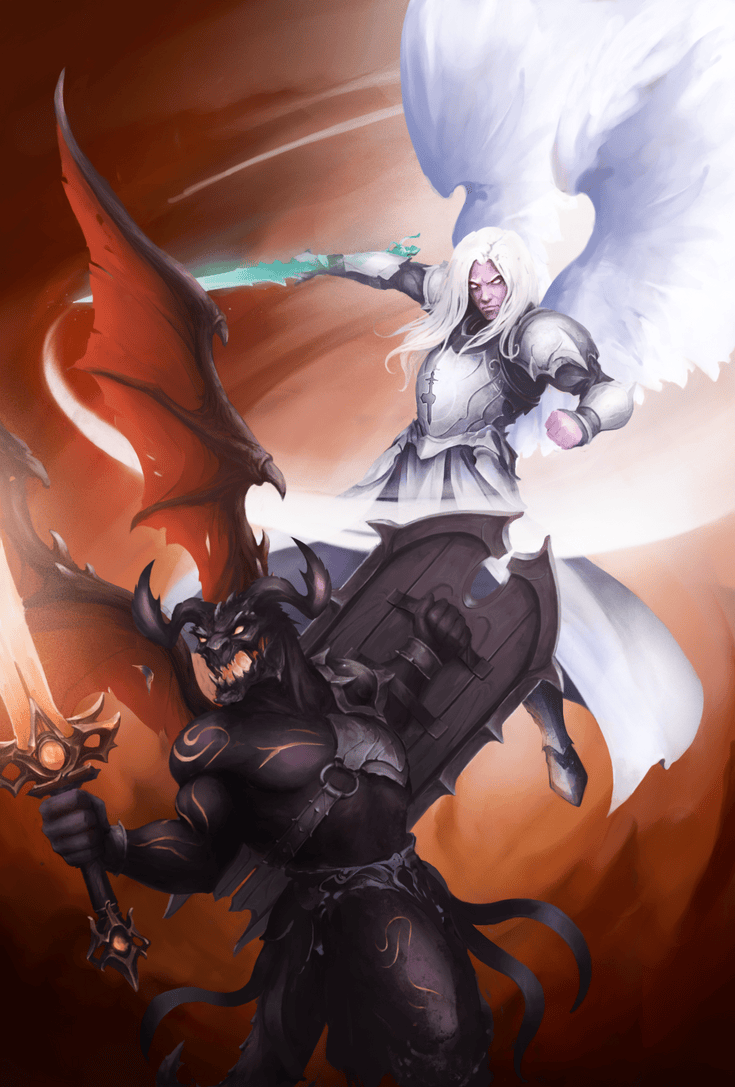
What does death do in D&D? It prevents your character from taking actions. Similar to other conditions like paralyzed or stunned.

If your character dies in D&D, revival is just a spell away. The 3rd level revivify spell brings a dead character back to life immediately with nary a consequence. If your character gets paralyzed in D&D, you need a 4th level freedom of movement spell to escape the condition. Death is actually easier to circumvent than paralysis!

Death as a status condition becomes far clearer at higher levels in D&D. Encounter balance becomes exceedingly difficult for PCs that are at level 10 or higher. The solution I came up with as a DM was to stop caring about encounter balance. Death is so meaningless when resurrection magic is around that the only thing I needed to be careful about was a Total Party Kill. But killing one or two PCs in a fight? That’s just part of the job.
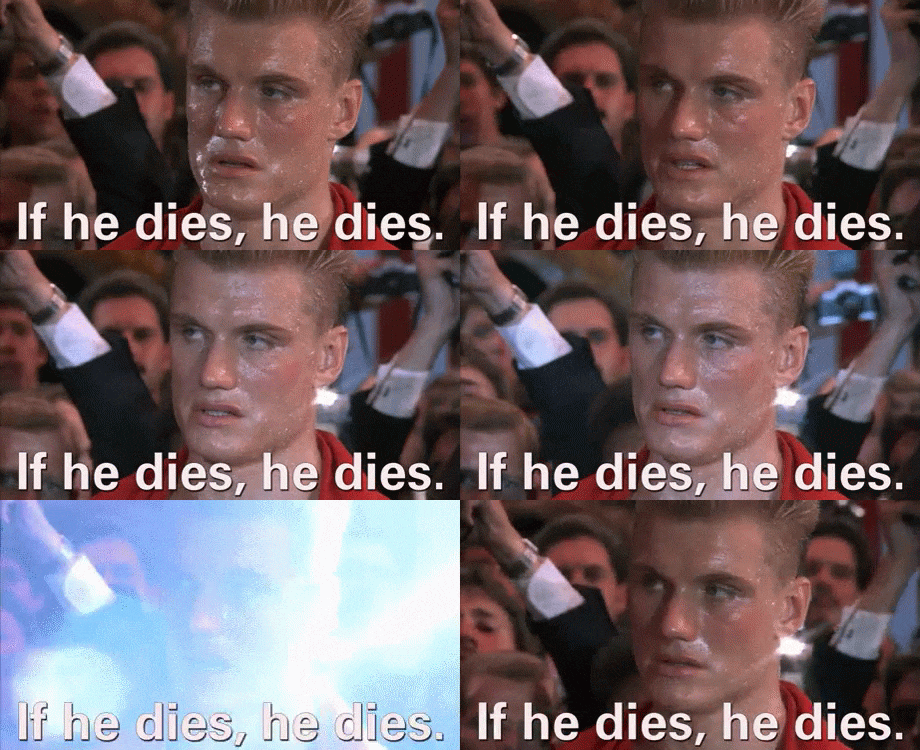
I know some DMs take the approach that you should always be threatening death for players, even at lower levels. I understand the mindset for that, but that’s not a fun setup for my group. When death is a meaningful consequence in a game, it’s devastating to lose a character.

I remember when my first character died, I wasn’t really aware of resurrection magic. I took a break from the game and went in the backyard to throw a baseball at a target for half an hour while the rest of the party finished the encounter. My character got raised back to life and we moved on, but it wasn’t a fun experience. It felt more like I’d been cheated out of a good time.

Since I knew how much it hurt, when someone else’s character died later on in that campaign, I immediately started resurrecting them. Revivify wasn’t a spell back then, so this was just the old-fashioned raise dead magic with a one minute casting time. I sat out of combat, casting the spell for ten rounds. The rest of the party rallied around my character to protect him. And we brought the other character back to life mid combat. It felt incredible!

So I like bringing people back to life in D&D, but you have to recognize that death is impermanent to appreciate it.

Few other TTRPGs approach death in the same way. D&D adjacent games like Pathfinder and Paladin share a similar style and philosophy towards death’spermanence. But most games portray death as the final end that it is in real life.

There’s a different feeling in many other TTRPGs. Death can be the end for your character, but it can be an appropriate end. Fighting and dying for what you believe in is a concept honored across the ages. Why not honor it in the fiction of our game nights? But we don’t have to. Video games are fun too, where death is just a speed bump to a good time.

Leave a comment

I’m Isaac

Welcome to the GoCorral website! I’m Isaac Shaker and this is a place for me to write about D&D and occasionally other topics. I host a podcast called Setting the Stage that interviews different DMs about their campaigns. I’m currently focused on completing the Cimmeria campaign setting and turning it into a book.

Setting the Stage Podcast

86 – Wuxia Adventures in RPGS (Daniel and Metanoia/Ithasen) Setting the Stage, Campaigns for D&D and Other RPGs

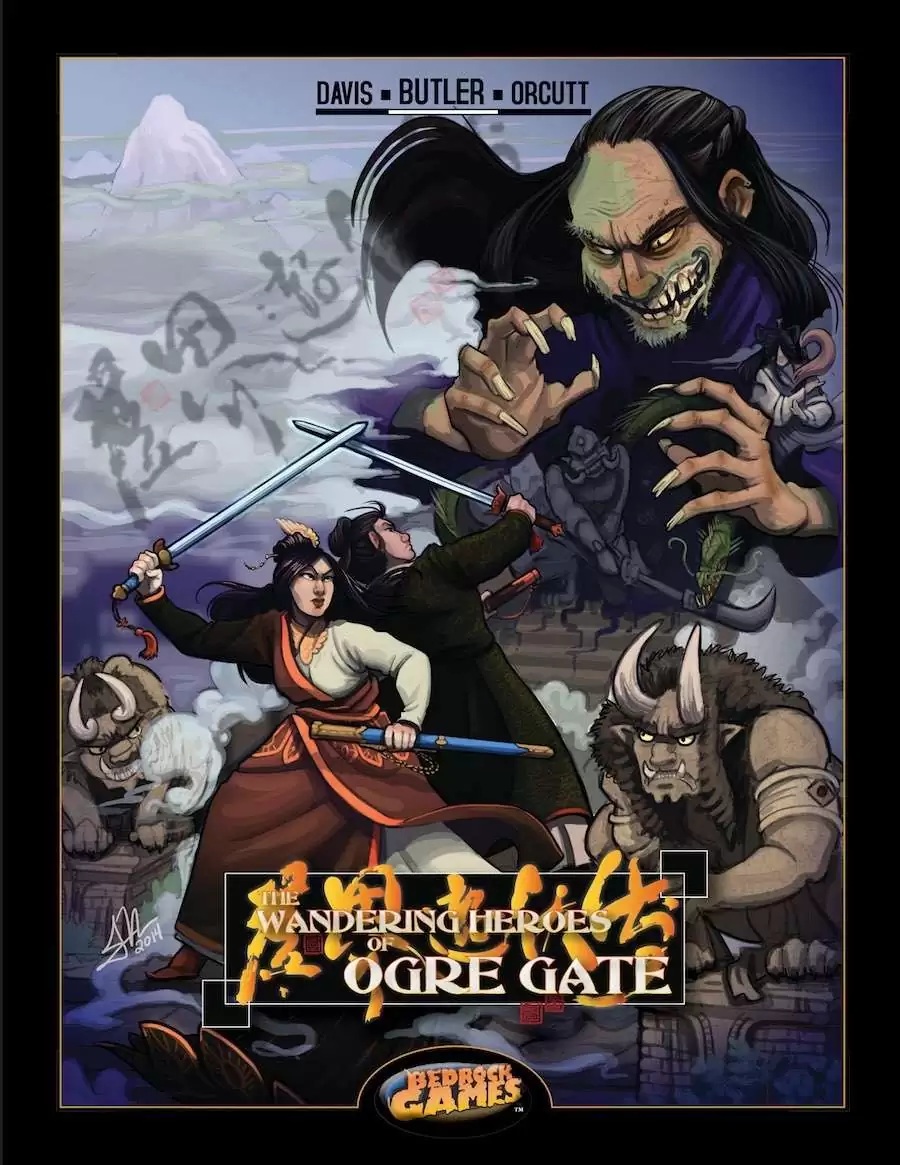
I interviewed Daniel, my cohost of the Tabletop Community Spotlight! Daniel created his own setting called Ithasen with an in-progress wuxia TTRPG system called Metanoia to go along with it. Ithasen has a spiritual force known as Ren that pervades the world. Ren is a magical manifestation of the user's, or Rennim's, will upon the universe. Rennim that cultivate their will grow stronger and capable of more amazing feats as the concentrate their power and force of personality.Within Ithasen there are seven lineages of people that decide what type of Ren they can use. Anamor use conversion Ren. Elkyr use flux Ren. Janim use elasticity Ren. Nyl use influence Ren. Okoi use recurrence Ren. Haqol use harmony Ren. Finally, Daruner use use coalescent ren. The two races lineages that drive unique politics in Ithasen are the Daruner and the Haqol.Daruner children absorb the Ren talents of both their parents, becoming a perfect blend of Daruner and another lineage parent. Through this mixing, a Daruner family could potentially include all other lineages within itself. This power has placed Daruner as the nobility of Ithasen.Haqol's power of harmony allows them to amplify the Ren powers of others. This puts Haqol in a vulnerable position as unscrupulous people will do anything to incorporate Haqol lineage into their bloodline. Haqol have experienced something akin to a genocide as their lineage has been consistently absorbed by other lineages and diluted over the centuries.There's a whole lot more than that so strap in!Daniel has a fully setup GitHub Wiki for information on Metanoia and Ithasen that you can explore.There's a Metanoid Discord server you can join to discuss the rules and setting with other fans.The occasional musing on TTRPGs can be found on Daniel's blog, Tabletop Discourse.GoCorral YouTube Channel for watching the Tabletop Community Spotlight.Vote in the CRIT Awards! Voting is open until August 23rd.Check out the Setting the Stage website!Want to be on the show? Fill out this survey.Join our Discord!Support Setting the Stage on Patreon! Hosted on Acast. See acast.com/privacy for more information.
  1. 86 – Wuxia Adventures in RPGS (Daniel and Metanoia/Ithasen)
  2. 85 – Medical Doctor D&D (Justin and Oops! All Healers!)
  3. 84 – Horseback Riding D&D Camp (Michael and SaddleSnaps)
  4. 83 – Call of Cthulhu's Garden (Hem and The Sprouting)
  5. 82 – Tarot Ghosts (George and Fears & Fortunes)