The Setting the Stage podcast had a really good year in 2025. My audience went from 6143 downloads to 9743. My listeners on Spotify multiplied by 5 according to the 2025 Wrapped feature so I’m guessing most of my reach came from there. Along with those numbers, I got approved for ad revenue and started a Patreon. Setting the Stage has moved from a small cost hobby to about revenue neutral! Hurray!
Expanding the podcast’s audience is good. My guest’s get more exposure. More people get to listen to something cool. I get more money (to hopefully pay an editor with). And with the desire for an expanded audience comes Marketing!

A central part of marketing is to know who you’re directing a message to. You need different messages for different audience groups. It’s easier to conceptualize these groups if they’re represented by a single person. Using Magic the Gathering as an example, instead of marketing cards towards power gamers, they market them towards “Timmy.” Johnny is the creative Magic player. Spike is the competitive player. These customer profiles even got joke cards made for them.
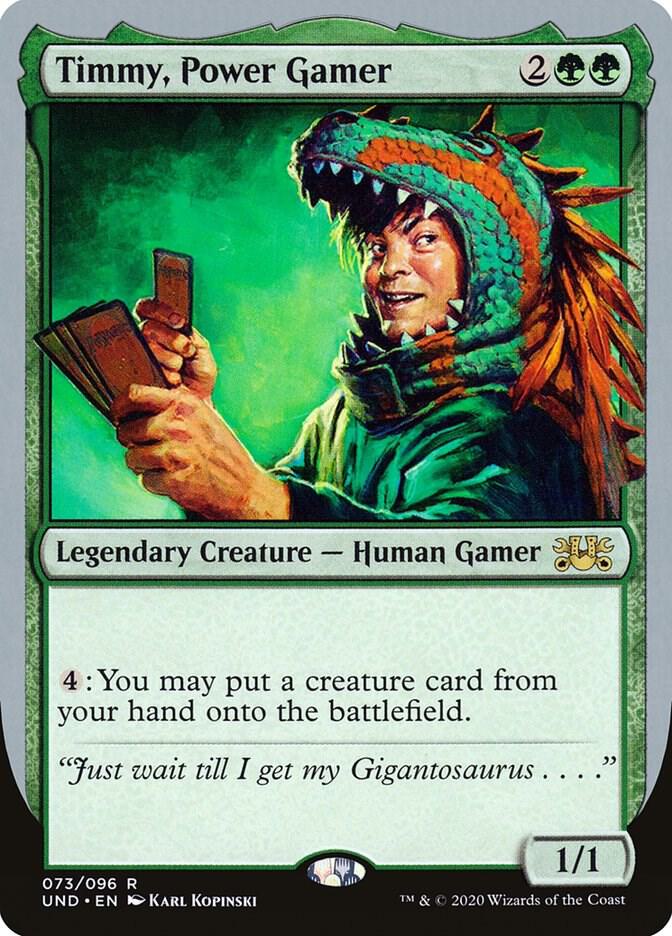
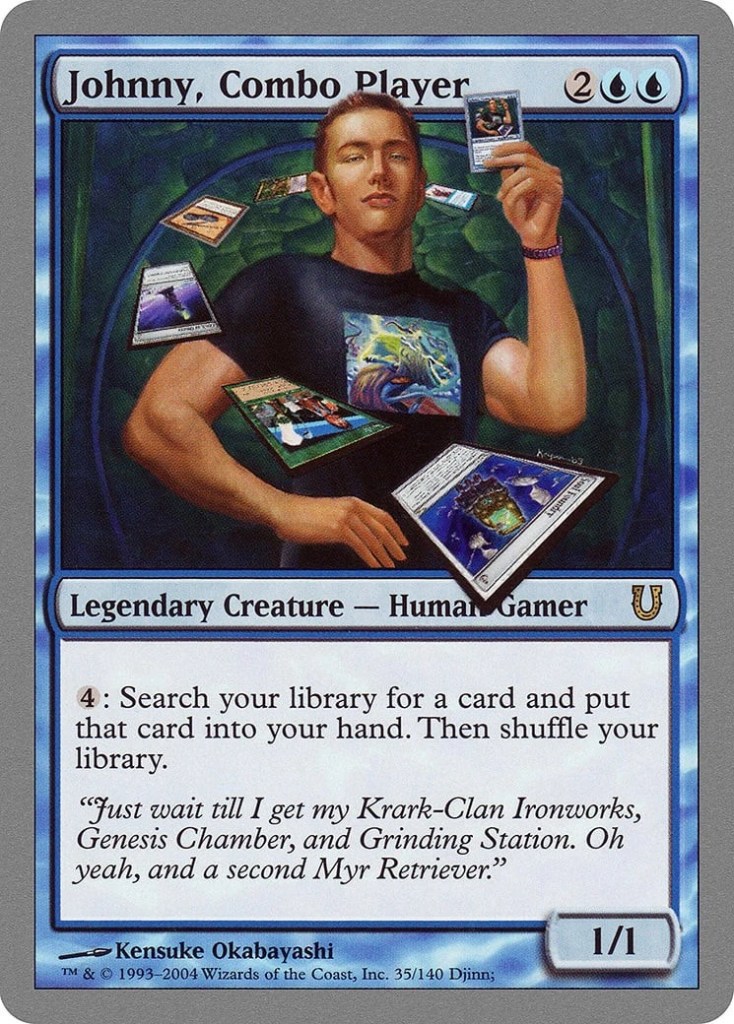
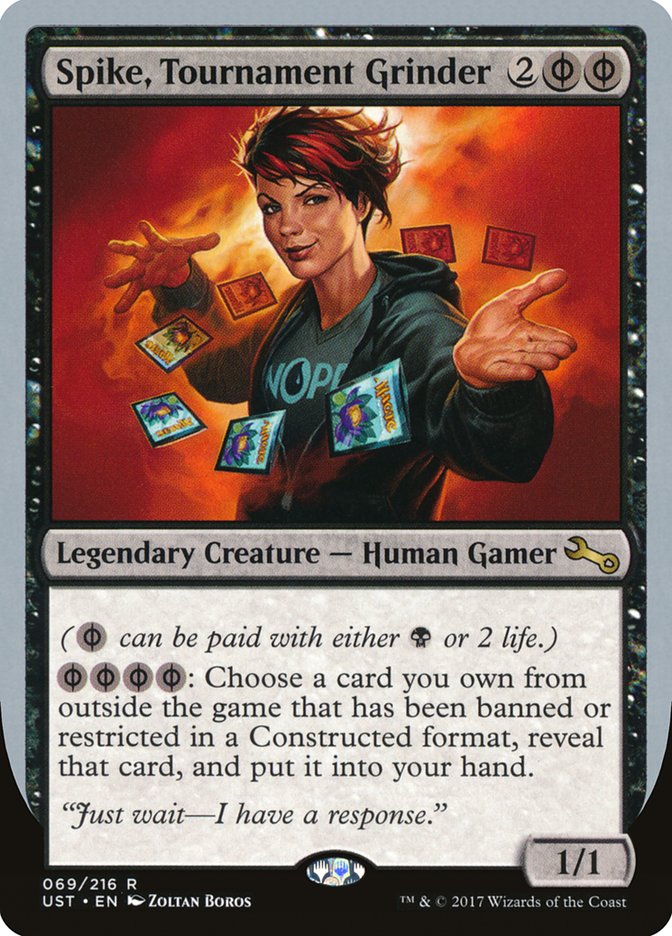
Wizards of the Coast probably has customer profiles for Dungeons and Dragons as well, but they aren’t publicly presented. Magic the Gathering is actually fairly unusual by having its customer profiles be public knowledge. Customer profiles aren’t strictly necessary for marketing, but they do make it a lot easier. To help Setting the Stage and my other RPG content creation grow, I decided to start with some customer profiles. And I might as well make them public in case anyone else would benefit from using them.
The customer profiles I’ve designed are somewhat modeled after player motivation types presented in different DMGs. D&D’s 4e DMG 1 lists eight motivation types, Actor, Explorer, Instigator, Power Gamer, Slayer, Storyteller, Thinker, and Watcher*. Eight customer profiles is too many. In most cases you want 2-4, so I’ve condensed them into four. It should be noted that many people have a hybrid profile, being primarily one type of customer with a secondary profile in another type.
*The Watcher doesn’t get included in the customer profiles because people within that motivation type are passive consumers of TTRPG products. They don’t care and marketing to them won’t be as effective as other motivation types.
Greg Grognard

- Most aligned with the Explorer and Thinker motivation types
- Been playing RPGs for several decades
- Typically male at least 50 years old
- Enjoys engaging with the game as a challenge for the player, not the character
- Grumpy disposition towards narrative and plot-driven games
- Prefers hexploration or dungeon crawl games
Francie Feminist

- Most aligned with the Actor, Instigator, and Storyteller motivation types
- Prefers narrative games that emphasize roleplaying and drama over combat
- Values inclusivity, safety mechanics, and consent tools
- May advocate for better table culture, player comfort, and clear communication to resolve disputes
- Enjoys characters with strong personalities and internal moral conflicts
- More likely to use costumes, props, or use character voices to set the scene
Pete Power Gamer

- Most aligned with the Instigator, Power Gamer, and Slayer motivation types
- Typically male teenager or young adult
- Likes to feel powerful in a game
- Rarely GMs
- Enjoys big numbers and powerful effects
- Usually hasn’t tried many systems beyond D&D
Carson Creator
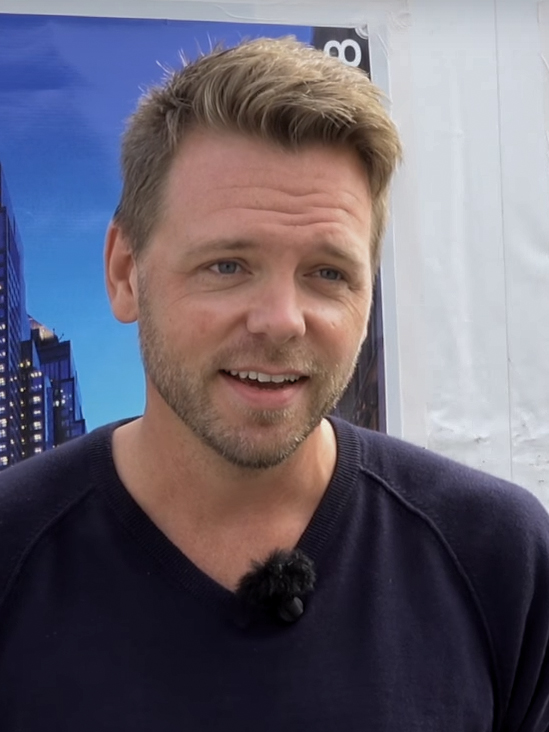
- Most aligned with the Actor, Explorer, and Storyteller motivation types
- Has GMed a few games
- Wants to create something new and grand
- Might want to publish their own content (blog, YouTube, paper product)
- Interested in TTRPGs and the industry surrounding them
- Actively engaged in online discussion groups
- May be frustrated with the rest of their group’s lack of engagement
Some of these customer profiles may come off as sexist or racist (all of my stock photo picks are white people). That’s not my intention, but by reflecting the world, discriminatory ideas get included. These customer profiles are made with the USA market in mind, which is still a sexist and racist place. TTRPGs have a history of being even more discriminatory and exclusionary than other hobbies. It’s thanks to people like Francie Feminist that TTRPGs have become more inclusionary in the last few decades. Even with that progress, the fact remains that TTRPGs are still largely dominated by white males. It would be nice to have customer profiles that are more diverse. Unfortunately, the market audience is not diverse, so the customer profiles aren’t either. My hope is that these profiles can be helpful and hopefully evolve into something more inclusive and diverse instead of noisily white and male.
I’m happy to discuss these ideas with anyone that would like to. Hopefully the profiles can be refined and made more useful to others through collaboration.





Leave a Reply