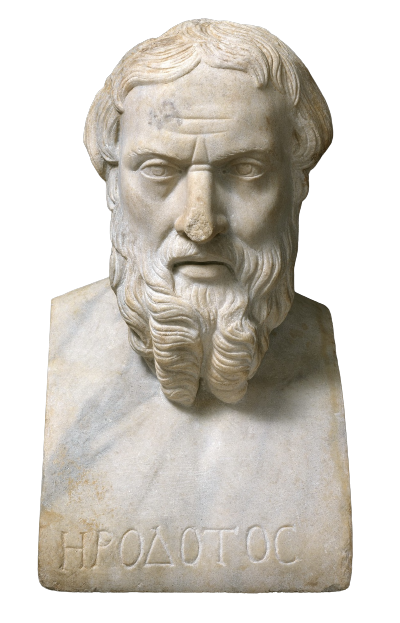
I write a lot of stuff about my D&D campaign world which I’ve dubbed Cimmeria. I’ve plopped the Greek Pantheon of gods into Cimmeria to use. Its easy for my players and me to remember which god is which and there’s a deep reservoir of myths to aid storytelling. Most of you probably already know these things from reading my blog. What you might not’ve known is that Cimmeria was a place attested to in The Histories of Herodotus and a few other early histories. Whether that makes the place “real” or not is probably up to how trustworthy you consider those sources. Regardless, there is some historical justification for why the geographical region of my D&D campaign world is called Cimmeria.

The historical Cimmerians are described in the Assyrian archives from about 700-600BCE. They engaged in a number of border skirmishes with the Assyrians and other ethnic groups around the northern coast of the Black Sea. After 600BCE they disappear from the historical record. It is likely that after a particularly harsh defeat by the Assyrians that the Cimmerians were assimilated into one of the other cultures in the area. As they sought protection from that stronger group they ceased to be a distinct people.

I’d like to incorporate the historical events into my campaign world. The dates are a little uncertain with different historians using different dates. I’ve decided to use the estimates provided in The Landmark Herodotus. The rough events are detailed below. I’ll need to incorporate them into the story, but that will have to wait until after I’m done with The Days of Kruk-Ma-Kali and have gotten a decent way into the Time of Prosperity period. Basically, I want to finish everything else in my campaign world up to 600BCE and then wedge in the historical events however they fit. Probably as the early history of the Xorian Kingdom.

So here are the historical events for Cimmeria with the dates I’ve decided to plop on them.

714BCE: Suicide of Rusas I of Urartu, after defeat by both the Assyrians and Cimmerians.

705BCE: Sargon II of Assyria died on an expedition against the Cimmerians.

695BCE: Cimmerians destroyed Phrygia. Death of king Midas.

679BCE: Cimmerians invaded under King Teushpa. Assyrians led by Esarhaddon defeated Cimmeria and incorporated a Cimmeria unit into army.

676-674BCE: Cimmerians invaded and destroyed Phrygia, and reached Paphlagonia.

669BCE: Attacked Lydia.

660BCE: Teushpa died, but his son Lygdamis was even more aggressive. Gyges asked for Assyrian aid.

657BCE: Gyges defeated Cimmeria.

651BCE: Cimmeria civil war. Tomb along Don River.

644BCE: Cimmerians pressured out by Amazons, captured Sardis and killed Gyges.

640BCE: Failed attack on Assyrian turkey and death of Cimmeria King Lygdamis. Succeeded by King Sandakhshatra.

626BCE: Lydian Alyattes defeated Cimmerians.

One response to “Historical Cimmeria”

  1. Cimmerian Timeline Part 47 | GoCorral Avatar

    […] get to mix in that historical Cimmeria stuff I was posting about earlier. […]

Leave a comment

I’m Isaac

Welcome to the GoCorral website! I’m Isaac Shaker and this is a place for me to write about D&D and occasionally other topics. I host a podcast called Setting the Stage that interviews different DMs about their campaigns. I’m currently focused on completing the Cimmeria campaign setting and turning it into a book.

Setting the Stage Podcast

86 – Wuxia Adventures in RPGS (Daniel and Metanoia/Ithasen) Setting the Stage, Campaigns for D&D and Other RPGs

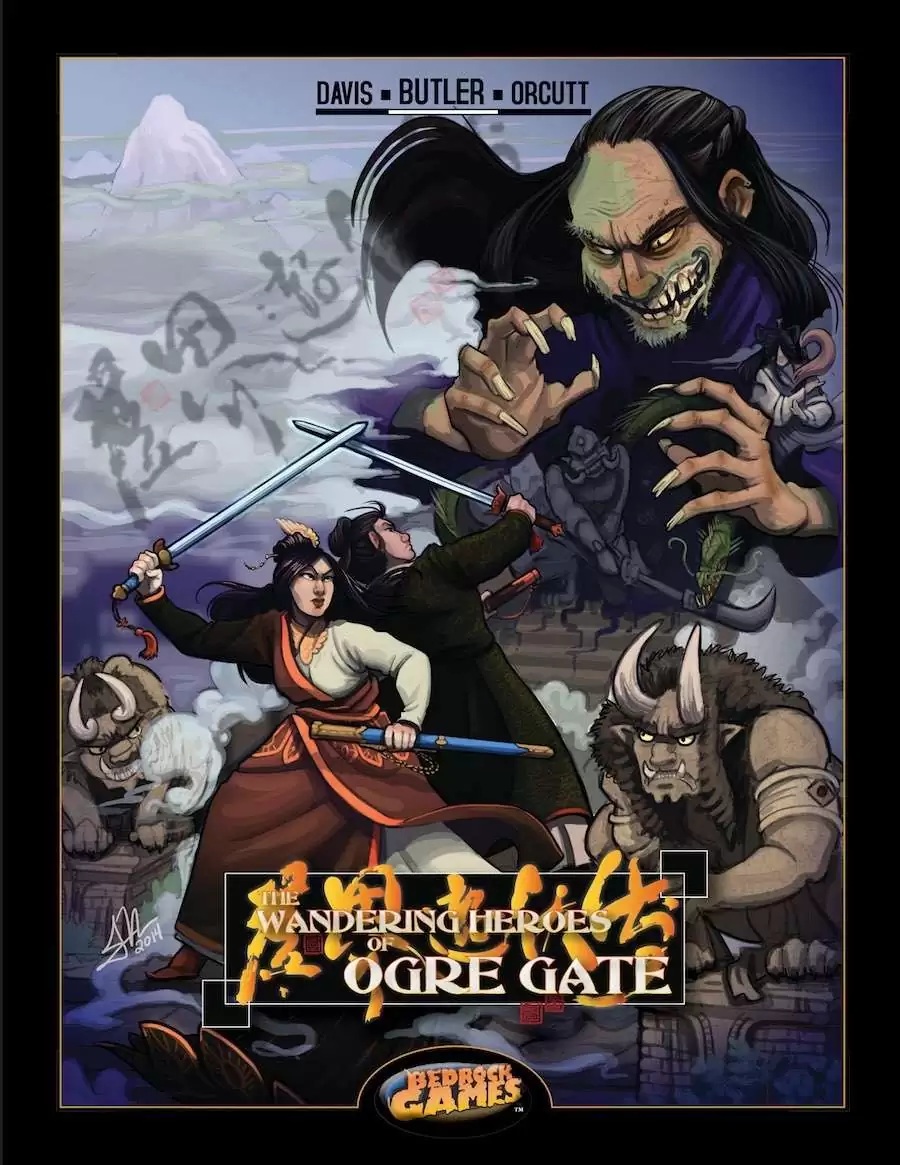
I interviewed Daniel, my cohost of the Tabletop Community Spotlight! Daniel created his own setting called Ithasen with an in-progress wuxia TTRPG system called Metanoia to go along with it. Ithasen has a spiritual force known as Ren that pervades the world. Ren is a magical manifestation of the user's, or Rennim's, will upon the universe. Rennim that cultivate their will grow stronger and capable of more amazing feats as the concentrate their power and force of personality.Within Ithasen there are seven lineages of people that decide what type of Ren they can use. Anamor use conversion Ren. Elkyr use flux Ren. Janim use elasticity Ren. Nyl use influence Ren. Okoi use recurrence Ren. Haqol use harmony Ren. Finally, Daruner use use coalescent ren. The two races lineages that drive unique politics in Ithasen are the Daruner and the Haqol.Daruner children absorb the Ren talents of both their parents, becoming a perfect blend of Daruner and another lineage parent. Through this mixing, a Daruner family could potentially include all other lineages within itself. This power has placed Daruner as the nobility of Ithasen.Haqol's power of harmony allows them to amplify the Ren powers of others. This puts Haqol in a vulnerable position as unscrupulous people will do anything to incorporate Haqol lineage into their bloodline. Haqol have experienced something akin to a genocide as their lineage has been consistently absorbed by other lineages and diluted over the centuries.There's a whole lot more than that so strap in!Daniel has a fully setup GitHub Wiki for information on Metanoia and Ithasen that you can explore.There's a Metanoid Discord server you can join to discuss the rules and setting with other fans.The occasional musing on TTRPGs can be found on Daniel's blog, Tabletop Discourse.GoCorral YouTube Channel for watching the Tabletop Community Spotlight.Vote in the CRIT Awards! Voting is open until August 23rd.Check out the Setting the Stage website!Want to be on the show? Fill out this survey.Join our Discord!Support Setting the Stage on Patreon! Hosted on Acast. See acast.com/privacy for more information.
  1. 86 – Wuxia Adventures in RPGS (Daniel and Metanoia/Ithasen)
  2. 85 – Medical Doctor D&D (Justin and Oops! All Healers!)
  3. 84 – Horseback Riding D&D Camp (Michael and SaddleSnaps)
  4. 83 – Call of Cthulhu's Garden (Hem and The Sprouting)
  5. 82 – Tarot Ghosts (George and Fears & Fortunes)