Why do different people play D&D and other RPGs?
You’ll get different answers whenever you ask different people. The combat, the puzzles, the roleplay, the stories, the snacks, the people, and so on. What motivates them to play?
The idea of player motivations wasn’t well formulated when RPGs were getting started. And why bother? It’s helpful to understand your players, but by no means a necessity. As time has passed more people are not just interested in being GMs, but being good GMs. An easy improvement to GMing styles is to understand the motivation types of your players. With that knowledge, you’ll be able to build an adventure that appeals to all of them individually.
Initial ideas of player motivations split into two basic camps, people that liked the dungeons and combat versus people that liked the stories and characters (D&D 3rd edition DMG p. 5-6). Third party DMGs gave additional advice. One of my favorites was the Advanced Gamemaster’s Guide published by Green Ronin (p. 21-23). It listed several different motivation types but focused on negative types. The book gave advice on how to encourage the types you didn’t like towards different types of behavior.
The D&D 4th edition DMG (p. 8-10) had the best list I’ve found. The 5th edition DMG (p. 6) carried that list forward but with less info. I’ll be focusing on the advice in the 4th edition DMG for this.
The 4th edition DMG listed eight motivation types, Actor, Explorer, Instigator, Power Gamer, Slayer, Storyteller, Thinker, and Watcher.
Actor
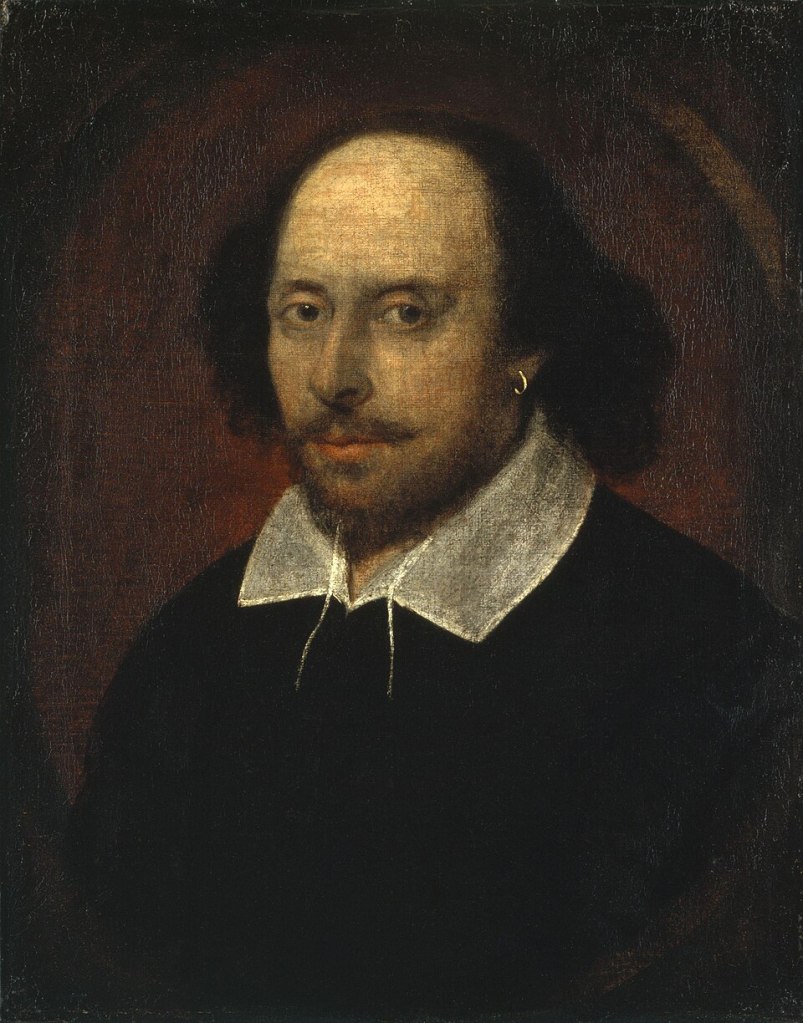
The Actor likes to take on their character’s role as fully and completely as possible. They’re the motivation type most likely to wear a costume, bring props, and use a silly voice. Actors prefer scenes where they can really be their character. Which scenes highlight their character’s personality will depend on the character, but roleplay scenes are typically better than combat. Actors are also more likely to introduce backstory elements or enjoy ones created by the GM.
The best way to motivate the Actor is to give them moments for their character’s personality to shine. Have a personal interaction with their estranged father or a tender goodbye from a loved one. There is a balance here though. The Actor’s character can monopolize your attention as a GM. I’ve found that you can have some success by having other players take on temporary NPC roles. Those NPCs can fill out a scene where otherwise only you and the Actor would be active participants. Only use this method once or twice per campaign though as the other players won’t approve of not getting to play their own characters.
Explorer
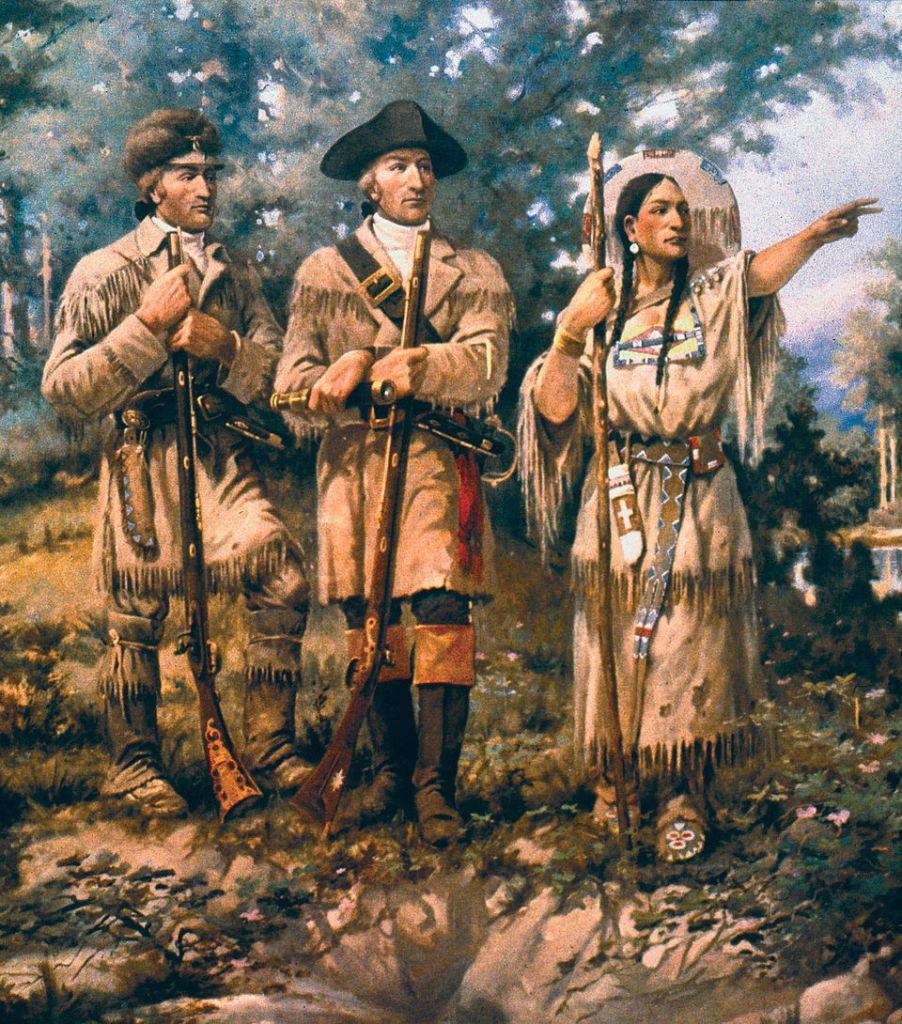
The Explorer is always looking for something new. A new piece of lore, a new item, a new class ability, or a new plot twist. Anything novel within the world will excite them. The Explorer will be one of the players most interested in your world’s lore for its own sake. They like learning what’s in the fantasy and how it all fits together.
The Explorer is best motivated by introducing novelty to each adventure you create. Obviously every adventure you run will have something new for a group, but there needs to be a little extra spice for Explorers to be entertained. Instead of just another king and another quest, have the quest delivered by a courtier with an exaggerated personality trait. Not just a magic sword, but describe the sword’s hilt, blade, and scabbard. The Explorer will be more engaged the more details you give them. Just don’t do so much that your other players get bored!
Instigator

The Instigator is an impatient motivation type. They love the exciting parts of the game and want to rush to the good stuff! Combat, risks, and adventure! Let’s get to it! What the Instigator doesn’t like is slower scenes. Unfortunately those slower scenes are usually a required balance for the other player motivation types. If the game is constant action and adventure it can be exhausting for non-Instigator motivation types.
You can motivate the Instigator by keeping the game moving forward. The easiest way to have an impact for this is to know the game rules well, know the encounters really well, and know the abilities and stats of the PCs. I keep a cheat sheet of PC defense values (AC, Passive Perception, save defenses, etc) available so I can immediately know if an attack hits. I do my best to know how a session will go before it starts. If you can skip moments where you have to pause and think, the session will flow noticeably faster. It’s best if the other players do this as well, but you can only control so much of what other people do!

Power Gamer
The Power Gamer likes to feel powerful in the game. They study the rules well to find whatever advantages they can. The Power Gamer gets supplements and extra rules to find that extra edge. In combat, they want to be the one with big spells and powerful attacks. Combat is the main focus for the Power Gamer as its harder to feel powerful in social encounters where numbers don’t necessarily define what’s successful.
The motivation for the Power Gamer is dependent on what their character build is. A fighter might want a cool sword or a wizard might want a magic staff. Some Power Gamers create a list of desired items. Promising an item from that list is a good motivation, but even better is a custom item/effect that fulfills the same need as one of those items. It provides an extra touch of a “hand-made” item compared to something you “bought at the store.”
Slayer

The Slayer is similar to the Power Gamer with a few key differences. They both enjoy powerful characters that can overwhelm the obstacles of the game. Unlike the Power Gamer, the Slayer dislikes complex character options. Powerful options are great, but if they’re too hard to execute the Slayer will go for something simple. Additionally, the Slayers derives their enjoyment not from the success within the game, but success within the narrative. While the Power Gamer will celebrate when the dragon’s HP drops to zero, the Slayer celebrates when they raise the dragon’s decapitated head into the air.
While the Power Gamer was motivated by increasing power, the Slayer is motivated by increasing challenge. The progression of RPGs from low to high levels naturally raises the stakes. Keeping within that formula will help the Slayer to stay motivated. The main difficulty I’ve experienced is that the Slayer likes to kill monstrous enemies. A campaign with primarily humanoid enemies will feel dissatisfying to the Slayer. Always make sure to include at least one big monster as the villain’s pet during a humanoid-centric adventure to satisfy the Slayer’s bloodlust.
Storyteller
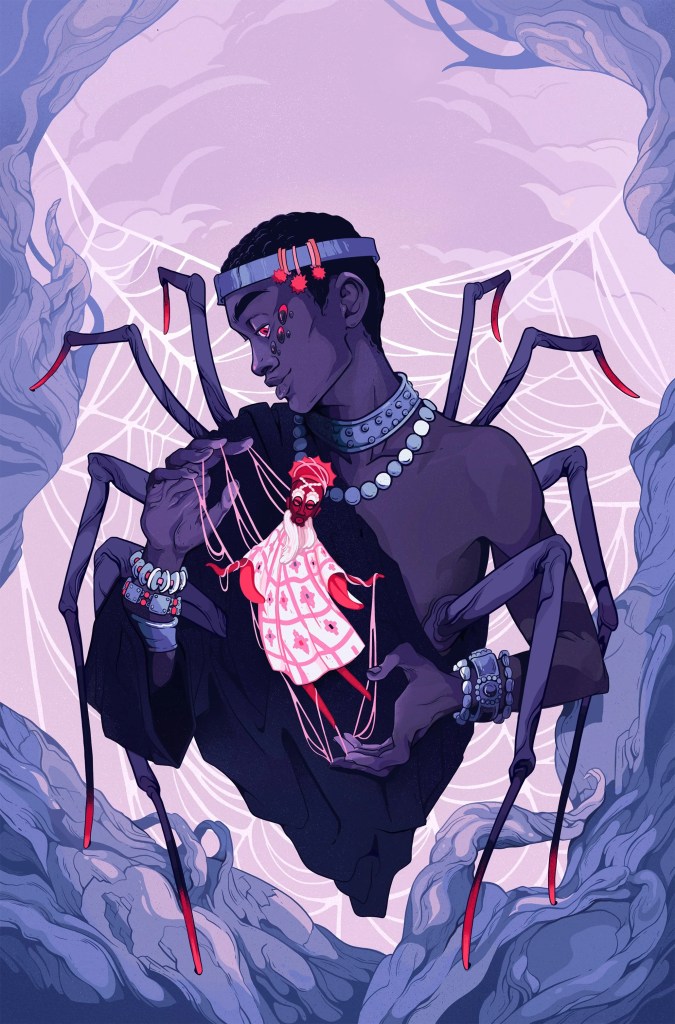
The Storyteller shares some similarities with the Actor. They both enjoy the story and their roles within it. While the Actor focuses on becoming their character, the Storyteller focuses on the broader story. If their character doesn’t fit, they’ll change to adapt to what the story and plot requires. The Storyteller isn’t as concerned with combat and is more entranced by the narrative significance of each encounter.
The Storyteller is best motivated by having a good story. A simple dungeon crawl will not keep them engaged, but a dungeon crawl that slowly reveals pieces of a forgotten myth will satisfy the Storyteller. The Storyteller could be happy by serving as the group’s historian. Suggest that they write down the events of each session for future reference and summarize three previous session at the start of each gathering. In doing this the Storyteller can enjoy tracking and immersing themselves in the broader story of the campaign as a whole even when a session does not advance the story.
Thinker
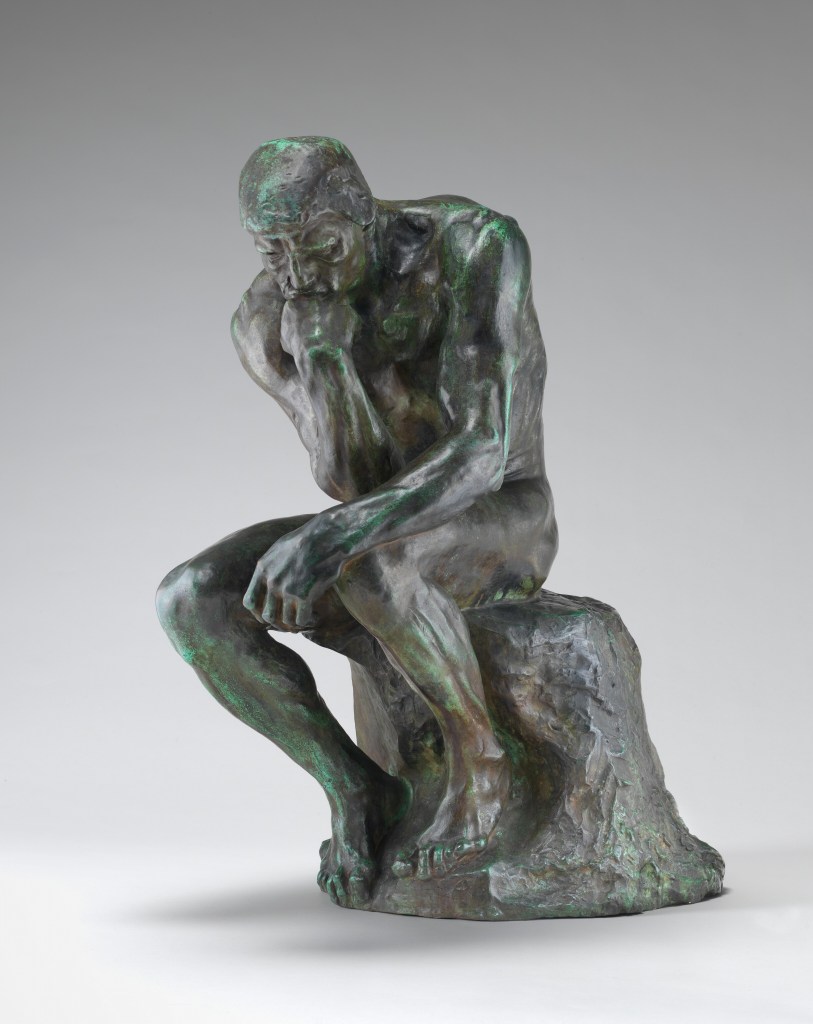
The Thinker is a problem solver. They love complicated puzzles to solve. Those puzzles could be a convoluted relationship triangle that must be entangled to get the MacGuffin, a riddle, or a monster with only one weakness. Whatever the mission, the Thinker likes finding a clever way to the goal. The main concern is if the Thinker finds an anti-climactic path to victory. They may steal the feeling of satisfaction and completion that other player motivation types are looking for.
To motivate the Thinker you have to build scenarios without obvious solutions in your game. Puzzles and riddles will satisfy the Thinker’s needs, but they may not be the best option if other players in your group don’t like them. You don’t even necessarily need a solution to your puzzles. The Thinker may invent a logical solution that you can apply retroactively. If you or the rest of your group dislike classic puzzles and riddles, designing encounters that feel like puzzles can be a better way to satisfy the Thinker. A troll is a classic Thinker monster where the party must deal fire or acid damage to defeat it. A medusa would be another where the party must defeat the monster without looking at it. Or a locked room filling with water. Putting complex encounters like these into your adventures will make the Thinker happy without detracting from the experience for your other player motivation types.
Watcher
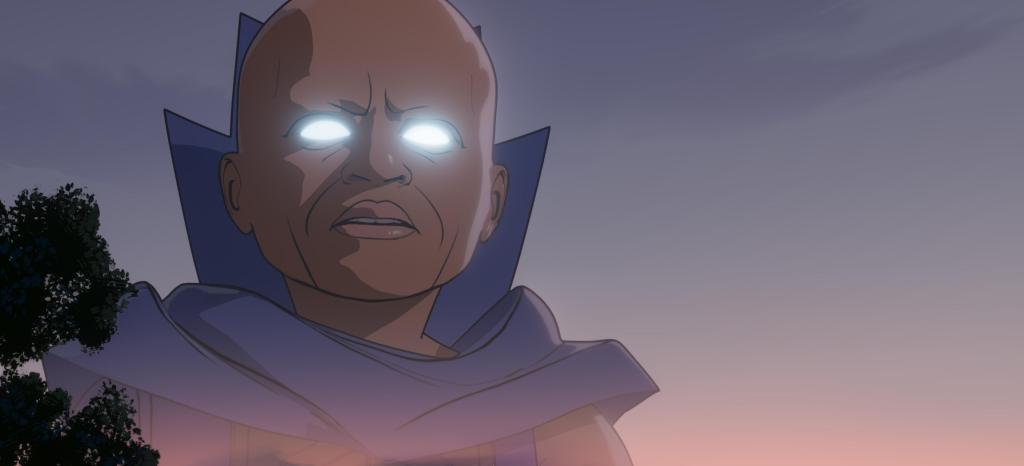
The Watcher is a special motivation type because they aren’t really motivated by anything within the RPG you’re playing. The Watcher just wants to hang out with their friends, no matter what they’re doing. They’re having fun due to the social experience, but aren’t really engaged with anything within the game, the story, or the roleplay. Don’t force them to be the center of attention or to do something mechanically complicated.
The best way to motivate the Watcher is to continue being a good friend to them outside of the game. They’re there for you and the other people at the table. Just maintain that friendship however you would outside of the game so the Watcher doesn’t feel ignored.
Hopefully these player motivation types are helpful for you. With them you can better understand the players in your group and how to design adventures for them in your games. You might also learn more about yourself as a player and what kind of challenges you like!
It’s also good to remember that the player motivation types are boxes to place people in but people don’t always fit into neat boxes. You’ll find that many of your players are actually a mix of two different player motivation types. Or evolving between different player motivation types. Make sure you’re still treating your players as actual people instead of cardboard cutouts.



 GoCorral
Leave a comment